
How to Care for Works on Paper: Framing, Glass, Light, and Humidity
How to Care for Works on Paper: Framing, Glass, Light, and Humidity
Paper is older than canvas as a home for art, and museums hold drawings and watercolors that are five hundred years old and still bright. Paper is also the first thing a careless room destroys. The difference between those two futures is not luck. It is four decisions: how the work is framed, what glass covers it, how much light reaches it, and how damp the air around it stays.
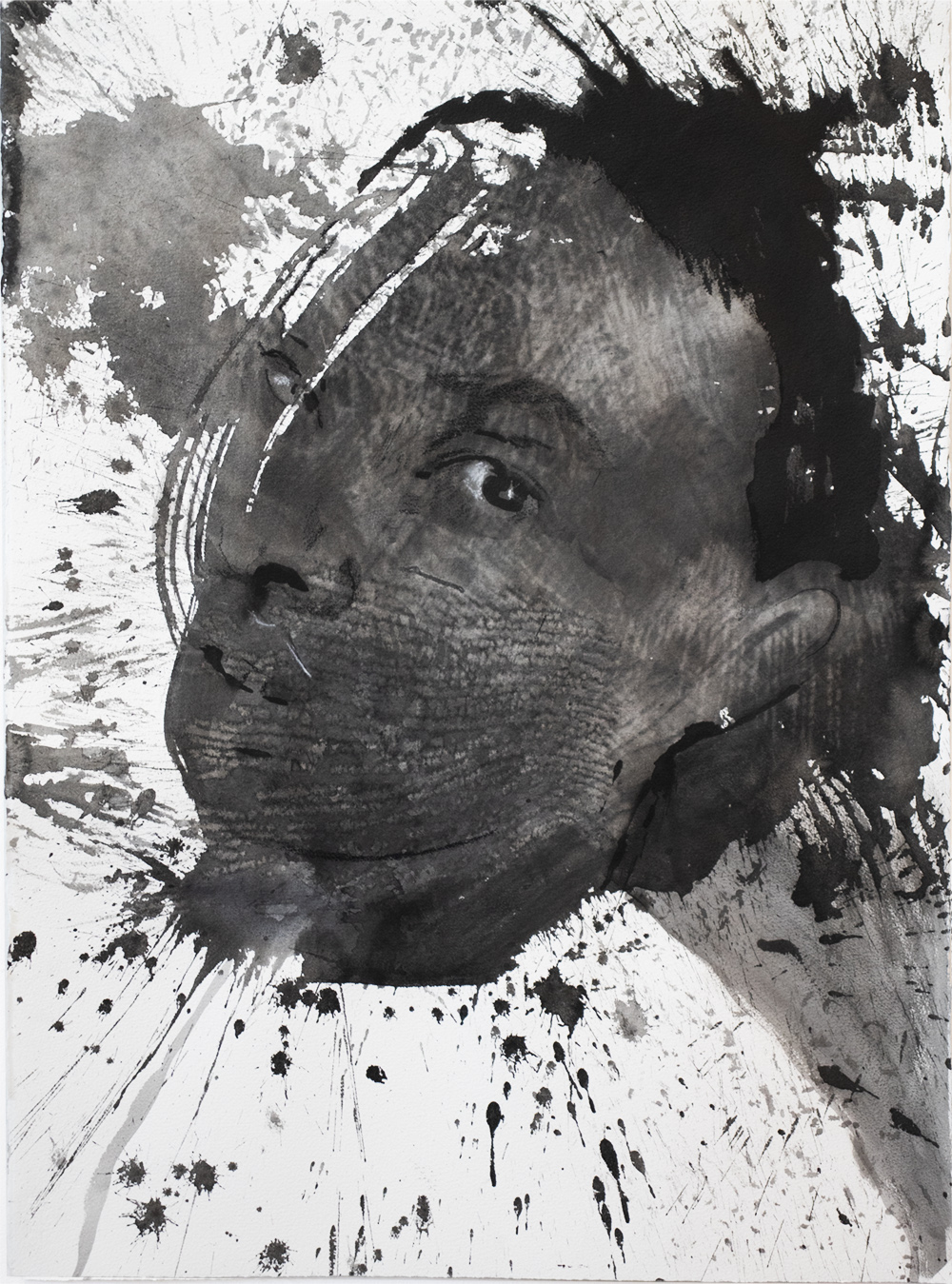
I make a large part of my work on paper, including the 32 ink works of my Owing to the Absence series, shown this fall in Dayton, Ohio. Buyers of those works ask me how to keep them safe, and this guide is the full answer I give them.
Framing Is the Care
For a work on paper, framing is not decoration. Framing is the protective structure, and most of the care happens inside it, before the frame ever reaches your wall.
The sheet should never touch the glass. Condensation forms on glass, and a sheet pressed against it can stick, stain, or grow mold at the contact points. A mat or spacers hold the paper away from the glazing. The mat also gives the image its margin of quiet, which is why framed paper looks so calm in a room.
Every material touching the sheet must be acid free: the mat, the backing board, and the hinges or corners that hold the sheet. Ordinary cardboard and cheap mats carry acids that migrate into paper and yellow it from the edges inward. That foxing and tanning you see on old prints in flea markets is usually bad framing, not old age. Ask your framer for acid free, conservation grade materials by name. The price difference is small. The difference in fifty years is everything.
The sheet should be attached so it can be removed without damage: hinged at the top with conservation tape or held in photo corners, never glued down, never dry mounted. A work glued to a board is a work whose value and options you have cut in half. Any competent framer knows this. If a framer suggests gluing an original flat, find another framer.
Glass and Acrylic: Choosing the Cover
Standard glass blocks some ultraviolet light but not much. UV protective glass or acrylic blocks the great majority of it, and for any work on paper that will hang for years, it is worth its modest premium. Museum grade versions also cut reflections, which matters on dark ink work under bright room light.
Acrylic is lighter than glass and does not shatter, which makes it the safer choice for large sheets and for homes with children or earthquakes. Its weakness is static: a static charge can lift loose media off the sheet. For charcoal, pastel, or flaky media, use glass, or anti static acrylic made for the purpose. For ink and watercolor, which bond with the paper, ordinary UV acrylic is safe.
Whichever cover you choose, the frame package should be sealed at the back with a dust cover, and the whole package should feel like a closed unit. That seal is what keeps room humidity and dust from cycling through the sheet every day.
Light: The Slowest Damage and the Easiest to Prevent
Light damage is cumulative and permanent. Fading does not heal in the dark. Watercolor and ink are honest media, and some pigments are more light sensitive than others, so the rule for all works on paper is simple: no direct sun, ever, and keep bright light hours low.
Hang paper on the wall that receives the least daylight in the room. North facing walls and interior walls are kind. If the only wall gets sun for part of the day, UV glazing plus a curtain habit will carry the work safely. Rotate if you must: collectors with several works on paper sometimes rest a piece in a dark portfolio for a season. The work does not mind. It will outlast the rotation schedule by centuries.
Room lighting matters less than daylight, but avoid spotlights aimed at paper from close range for long hours, and prefer LED lamps, which emit almost no ultraviolet. My guide to caring for oil paintings covers light for canvas in parallel, and the shared rule is that the wall you choose matters more than any product you buy afterward.
If you own more works on paper than walls, rotation is your friend. A piece that hangs for a year and then rests in a dark portfolio for a season receives a fraction of the light dose of a piece that never comes down. Collectors of drawings have done this for centuries, and it has a side benefit: the wall changes, the room feels new, and each work gets a fresh first viewing when it returns.
Humidity: The Quiet Enemy
Paper breathes with the room. In damp air it takes in moisture, expands, and waves. In dry air it gives moisture back and lies flat again. Gentle cycles are tolerable. Sustained damp is not: it invites mildew, which spots paper with dark colonies that only a conservator can treat.
Keep works on paper in rooms that stay in the normal household range, roughly 40 to 55 percent humidity, without a gauge obsession. What matters is avoiding the extremes: the wall over a steamy bathroom door, the basement wall that feels cool and damp, the exterior wall with condensation in winter. If a wall feels damp to your hand, do not hang paper on it. Canvas should not go there either, but paper will show the damage first.
Bumpers on the frame’s bottom corners hold it slightly off the wall and let air circulate behind it. That small air gap is real protection on exterior walls. And when you take a framed work down, look at its back twice a year. Spots on the backing board are your early warning, arriving while the sheet itself is still clean and the fix is still cheap.
Handling, Moving, and Storage
Handle a sheet by its edges, with clean dry hands or cotton gloves, and never touch the image area: skin oils mark paper permanently. Carry framed work with two hands on the frame sides, never by the top rail alone, and never rest anything on top of a framed piece in a car.
If a work must wait before framing, keep it flat in its shipping boards or in a portfolio, in a dry interior room, out of light. My shipping guide describes how works on paper travel: flat, rigid, and protected from moisture. Store them the way they arrived and they will wait patiently. Do not store art in attics or garages, where temperature and humidity swing hardest.
For long storage, flat is better than rolled, and a portfolio or a shallow drawer is better than a box on a floor. Label the outside with the artist and title so the work is never hunted for by touch.
Questions to Ask Before You Buy a Work on Paper
Care begins before the purchase. When you consider a work on paper, ask what the medium is, exactly: ink, watercolor, gouache, charcoal, and pencil all age differently, and loose media like charcoal and pastel need glass and careful handling from the first day. Ask whether the work is signed and dated, and whether it will arrive framed or unframed, flat or rolled. Every product page in my store states the medium, the size, and how the piece ships, and any seller of originals should give you the same clarity.
Ask also about the paper itself if the work is older. Acidic paper from decades past can be fragile even in a good frame, and a conservator’s look before framing is money well spent on inherited or secondhand pieces. For new work from a living artist, the paper is almost always sound, and your care job is the framing and the wall, as this guide describes.
Finally, keep the paperwork. A receipt and any notes about the medium and the framing you chose belong in an envelope taped to the back of the frame or filed with your household records. The next owner, or the next framer, will thank you, and the work’s history stays attached to it.
Inherited and Older Works on Paper
Works that come to you from family or from secondhand buying start from a different place. They may have hung for decades in sun, in damp houses, in acidic mats. Do not judge them by their current frame. Judge the sheet: is it flat or waved, bright or yellowed at the edges, spotted or clean?
A conservator’s assessment is the right first step for any older piece with real value, sentimental or financial. Flattening, cleaning, and rehousing an old sheet in proper materials is routine conservation work, and it stops slow damage completely. What you should not do is attempt the home versions: no ironing a waved sheet, no erasing spots, no trimming yellowed edges to fit a smaller frame. Every one of those has destroyed more value than the damage it meant to fix.
Once an older work is properly framed and on a kind wall, its care is the same as a new work’s. Age is not fragility. Some of the toughest sheets I have handled were a century old and had simply been kept dry, dark, and flat by people who did not know they were doing conservation. Now you know, and your works will get the same luck on purpose.
Moving House With Works on Paper
Moves are when paper gets hurt. A framed work should travel upright, in a box or wrapped in cardboard with the corners protected, never flat in a stack of frames where a heavier piece presses its weight through the glass. Movers should be told which boxes hold glass. Your own car, on a back seat with a blanket under and over, is safer than the truck for the pieces you care about most.
Unframed sheets travel inside their portfolio or between their boards, taped shut, kept flat, and loaded last so nothing lands on them. If the move includes storage time, choose a dry interior unit and keep art off the floor on a pallet or shelf. The conditions that damage paper in a house damage it faster in a storage unit, because nobody is watching.
After the move, let framed works stand in the new room for a day before hanging, and check the backs as you hang them. A move is also the natural moment to replace a tired backing board or a scratched glazing, while the piece is already off the wall and in your hands.
When Something Goes Wrong
A wave in the sheet inside its frame usually means humidity, and moving the work to a drier wall often lets it relax flat again over weeks. A stain, a spot pattern, or a sheet stuck to glass means stop and call a paper conservator. Do not open the frame package yourself, do not try to flatten a cockled sheet under books, and do not apply any cleaner, however gentle the internet says it is. Paper conservation is a real profession, and early treatment is almost always cheaper and more successful than late treatment.
That short list of warnings covers nearly every disaster I have seen. Works on paper are not fragile. They are precise. Give them a proper frame, a shaded wall, and dry air, and they will be hanging, bright and flat, for whoever inherits your walls. The ink figures in my own paper series were made to be looked at for a long time. Care like this is what makes the long time possible.