Oil vs. Acrylic vs. Mixed Media: Which One Should You Buy?
Oil vs. Acrylic vs. Mixed Media: Which One Should You Buy?
How each medium looks, ages, and prices, explained by someone who paints in all three.
Stand in front of three paintings, one in oil, one in acrylic, one in mixed media, and even a new collector can feel the difference before being able to name it. One glows. One sits flatter and cleaner. One has things happening on the surface that are hard to identify. That difference is the medium, and it affects everything: how the painting looks on your wall, how it ages, and what it costs.
I am Bartosz Beda, a painter in Dallas, Texas. I have been painting since I was seven years old. Oil is my home ground, but I work in acrylic and mixed media as well, and I sell all three from my store. Here is the honest breakdown I give collectors, including the parts each camp would rather I skip.
Oil Paint: The Slow, Deep Classic
Oil paint is pigment suspended in oil, usually linseed oil. Painters have used it for more than five centuries, which means its aging behavior is the best documented of any medium in art history. It dries slowly, over days, which lets colors blend on the canvas in a way no other paint allows.
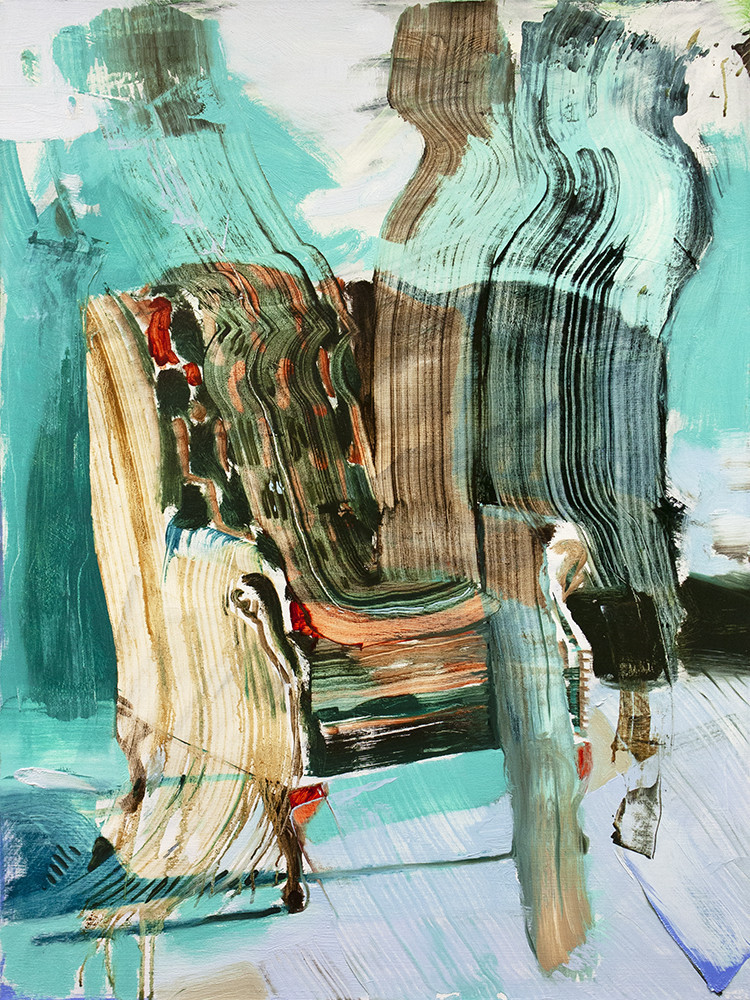
On the wall, oil has a depth people describe as glow. Thick applications catch the light and throw tiny shadows, so the surface shifts as you walk past it. My own current work leans hard into this quality, with heavy brushwork where the recognizable image starts to dissolve into the raw physical reality of the paint itself. You have to stand in front of it. A photograph is a rumor.
The tradeoff is patience. Oils take weeks to dry to the touch and months to cure fully before varnishing. That slowness is priced into the work, and it is worth understanding before you compare price tags.
Acrylic: The Modern Workhorse
Acrylic is pigment in an acrylic polymer emulsion. It arrived in the middle of the twentieth century and changed studio life completely: it dries in minutes, cleans up with water, and lets painters build layers fast.
On the wall, acrylic tends to look flatter and more matte than oil, with cleaner edges and bolder areas of flat color. It is excellent for crisp, graphic, contemporary work. What it cannot quite do is the slow-blended, luminous depth of oil. That is not a flaw. It is a different instrument playing different music.
For buyers, acrylic has a real practical edge. It cures quickly, it is less fussy about varnishing schedules, and paintings in acrylic are often priced a little lower than comparable oils, because the studio time behind each piece is usually shorter.
Mixed Media: The Wild Card
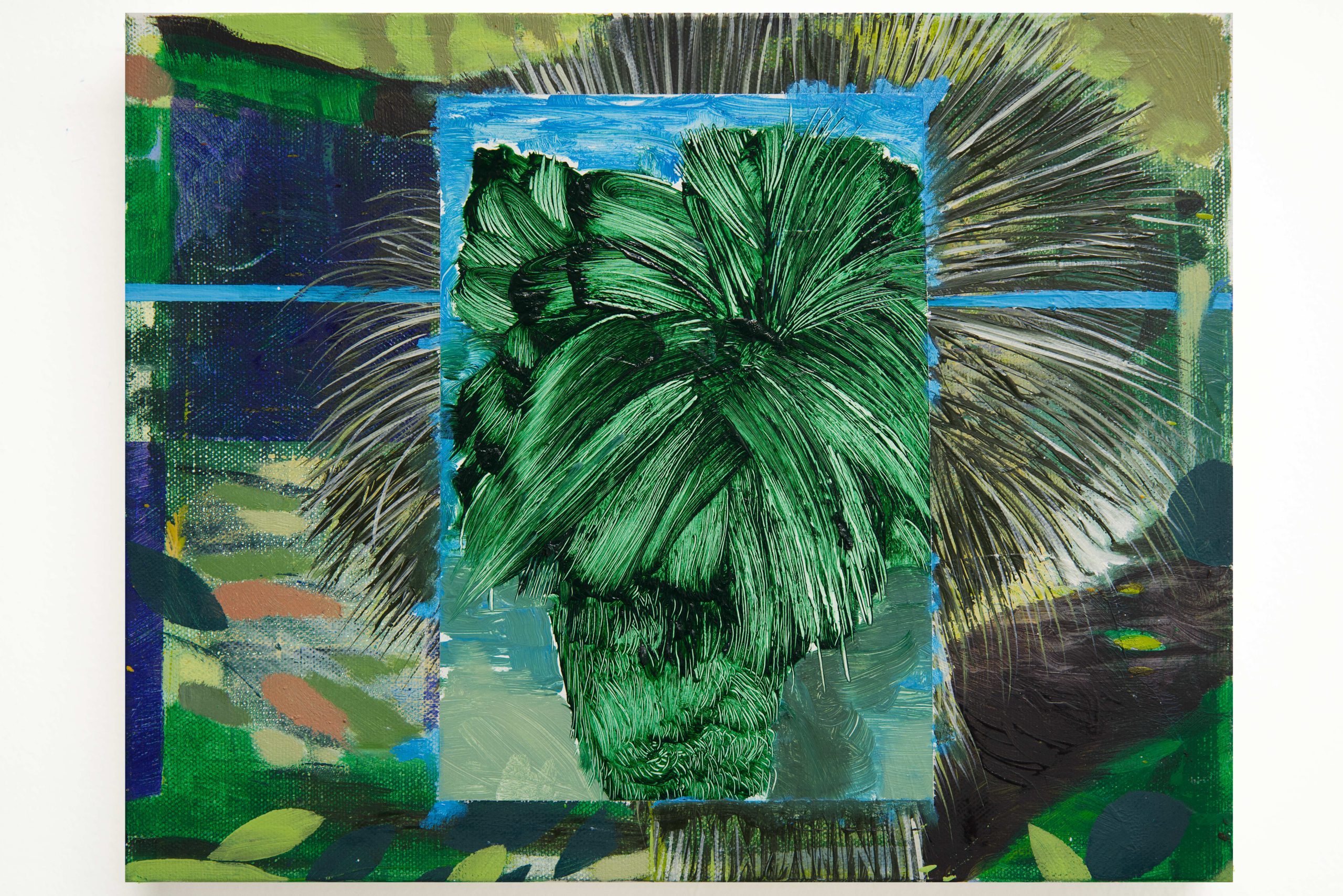
Mixed media means the artist combined materials: oil and acrylic together, or paint with ink, drawing materials, or collage elements. My Triggers series, for example, is mixed media, built from layers of different materials that would never meet in a traditional oil painting.
On the wall, mixed media is the most texturally surprising of the three. You get contrasts, matte against gloss, drawing against painting, that a single medium cannot produce. Collectors who love surface, who run their eyes over a painting the way others run hands over fabric, tend to fall for mixed media hardest.
The buyer question to ask is simple: what exactly is in it? A reputable artist will tell you without hesitation. Most combinations used by professionals are perfectly stable. What you want to avoid is mystery materials with unknown aging behavior, which is why the question matters more here than with pure oil or acrylic.
How They Age: The Longevity Question
Let us be direct. Oil has five hundred years of proof. Properly painted and cared for, it outlives everyone in the room. Acrylic has about seventy years of proof, and so far it is aging beautifully: flexible, stable, and resistant to cracking. Conservators consider both archival when handled correctly.
Mixed media longevity depends on the mix. Professional-grade combinations are made to last, and many contemporary mixed media works will age just as gracefully as pure paintings. This is the one category where the artist's knowledge matters most, so buy mixed media from artists who can explain their materials clearly.
What actually goes wrong, when it goes wrong? With oil, the classic failures are cracking from rigid supports or rushed drying between layers, and the yellowing of cheap varnish. Both are preventable by a knowledgeable painter. With acrylic, the risks are smaller: it is flexible by nature, which is why it resists cracking so well. With mixed media, problems come from incompatible layers, which is exactly why asking about materials matters. In all three cases, the artist's skill matters more than the medium's reputation.
Whatever the medium, the care rules are nearly identical: out of direct sunlight, stable humidity, no harsh cleaning. Get those three right and the painting will outlast you.
Texture: What You Will Actually See Every Day
This is the part photographs hide. Oil can be buttery, ridged, almost sculptural. Acrylic is generally smoother, though it can be built up too. Mixed media can run from sand-smooth passages to raw, ragged edges in a single canvas.
If texture matters to you, and it should, ask for close-up photographs or a short video of the surface before you buy. Texture is the thing you will notice on day four hundred, long after the subject feels familiar. I send surface photos and videos gladly, because I know that is where the decision really gets made.
What About Price?
All else equal, expect oils to price highest, acrylics a step below, and mixed media somewhere in the range depending on complexity. But keep the differences in proportion. They are modest next to the real price drivers, which are size, the artist's career stage, and time in the studio. A large mixed media piece will always cost more than a small oil. In my own store, the medium matters less than the scale: small works on paper from $100, mid-size oils from $1,000 to $1,200, large paintings from $4,000 up.
Never choose a medium to save money. Choose the painting you want to look at for thirty years. The price gap between mediums is small. The regret gap is not.
One cost buyers forget: the total cost of owning. A large, heavy oil with thick impasto costs more to crate and ship than a flat acrylic of the same dimensions, and works on paper need framing behind glass before they can hang. None of these costs depend much on the medium itself, but they are real money. When you compare two paintings at similar prices, ask what each one needs before it is on your wall. The honest total is the number to judge.
Which One Suits Your Home?
Match the medium to the room and to your temperament:
- Choose oil if you love depth, glow, and visible brushwork, and you want the most proven longevity in art history.
- Choose acrylic if you love clean, bold, contemporary surfaces and want excellent stability with less fuss.
- Choose mixed media if you want texture and surprise, and you have asked the artist what is in it.
- In bright rooms, remember that every painting wants protection from direct sun, whatever the medium.
- In humid rooms, keep it simple: smaller pieces, or works behind glass, that you can move if conditions change.
The Honest Downsides of Each
Every medium has a tradeoff, and you should know them before anyone's marketing gets to you.
- Oil: it smells while wet, it takes months to fully cure, and thick impasto adds real weight to a large canvas. If you are sensitive to solvents, buy from painters who work solvent-free, as many now do, and ask.
- Acrylic: it dries fast, which is a blessing and a limit. Blending has to happen quickly, and acrylic colors darken slightly as they dry, so what you see wet is not exactly what you get.
- Mixed media: it is the hardest to evaluate. Two mixed media paintings can have nothing in common materially, so the burden is on you to ask what is in it and on the artist to answer clearly.
None of these are reasons to avoid a medium. They are reasons to buy with your eyes open, which is the entire theme of this guide.
Drying Time: Why It Should Matter to You
Drying time shapes what the artist could do, which shapes what you are looking at. Oil's slow drying is what makes soft blending and luminous glazes possible. It is also why an oil painting you buy may still be curing, and why the artist might tell you to wait a few months before varnishing or framing it behind glass.
Acrylic's fast drying is what makes crisp edges and rapid layering possible. A skilled acrylic painter works with the clock, not against it. When you look at a razor-sharp geometric acrylic, you are seeing drying time turned into an advantage.
For you as the buyer, the practical takeaway is small: ask an oil painter when the piece was finished, especially if it is very recent. A reputable artist will tell you honestly whether it needs more curing time before it travels or gets varnished.
Can You Mix Mediums in One Room?
Yes, and collectors do it constantly. A home with only oils can feel like a museum wing. One acrylic or mixed media piece among oils adds contrast and keeps the walls feeling collected rather than decorated.
The trick is relationship, not matching. Pick a shared thread: a color that repeats, a similar scale, a compatible frame style. An earthy mixed media piece and a warm oil landscape can sit side by side happily if they share a palette, even if their surfaces could not be more different.
What to avoid is visual argument: a neon-bright acrylic shouting next to a muted tonal oil, with nothing connecting them. That is not a medium problem. It is a curation problem, and it happens with two oils just as easily.
What About Watercolor and Works on Paper?
You will also see watercolor, ink, and drawing in artists' stores, including mine. My small works on paper start at $100, and they are real originals, not prints. Paper work lives behind glass, which changes the buying math slightly: always budget for framing, and always hang it out of direct sun, since paper and water-based media fade faster than oil.
Do not mistake affordable for lesser. Some of the most direct, alive work an artist makes happens on paper, where there is no undoing a mark. For a first original, a framed work on paper is the smartest entry point in art buying: real hand, real signature, real certificate, at a price that lets you start today.
The Bottom Line
The medium is the instrument, not the music. Buy the painting that moves you, in whichever material the artist used to make it move you. An honest oil, an honest acrylic, and an honest mixed media piece will all hang beautifully for longer than you will own the wall.
If you want to compare them side by side, my store at store.bartoszbeda.com carries oil, acrylic, and mixed media originals, each photographed up close so you can see exactly what the surface does. Go look at the texture. That is where the decision lives.