
Should You Frame an Oil Painting? Frames, Painted Edges, and Gallery Wrap Explained
A canvas does not need a frame to be finished. But the choice changes the painting, the room, and the bill. Here is how to decide.
Almost every buyer asks me some version of this question, usually right after choosing a painting: does it need a frame, and if it does, what kind? The honest short answer is no. An oil painting on canvas does not need a frame to be finished, to be protected, or to be hung. But that short answer hides a real decision, because framing changes how a painting looks, how it sits in a room, and what the whole purchase costs. This article is the long answer, so you can decide on purpose instead of by default.
I am Bartosz Beda, a painter working in Dallas, Texas. I trained at art school in Lodz and earned my BA in 2011 and my MA in Fine Art from Manchester in 2012. I sell my original paintings directly through my own store, and the photographs on every product page show each painting exactly as it is sold. Let me walk through what a frame does, what it does not do, and the options most buyers never hear about.
What a Frame Actually Does
A frame does three real things. It finishes the edge visually, giving the eye a boundary between the painting and the wall. It protects the corners and edges, which are the most vulnerable parts of a canvas in daily life. And it negotiates between the painting and the room: a frame can pull a bold painting into a traditional interior, or sharpen a quiet painting in a modern one.
Here is what a frame does not do. It is not structural. A stretched canvas holds itself together without one. It is not required for hanging: most canvases hang from their stretcher bars or from hardware on the back. And for an oil painting, a frame does not include glass. Oil and acrylic paintings are traditionally hung without glazing, because the paint surface is durable and varnish does the protecting. Glass over an oil painting is a framing-shop habit borrowed from works on paper, and it usually adds glare and weight while protecting nothing that needs it.
Option One: No Frame, Painted Edges
Plenty of contemporary paintings are made to hang bare. The image stops at the front, and the sides of the canvas are painted, either carried around from the image or finished in a clean, deliberate color. Hung this way, the painting sits as an object on the wall, with depth and shadow, and nothing between the viewer and the paint. In a modern room this often looks better than any frame, because the room’s lines stay clean.
The question to ask before choosing this is simple: what do the edges look like? On a painting made to hang unframed, the edges are part of the work. On an older or more traditional canvas, the edges may show staples, raw canvas, and the drips of the studio, which is honest but not always what you want in a dining room. Ask the artist or look at photographs of the sides. A seller of originals can always show you the edges. It takes one photograph.
Option Two: Gallery Wrap
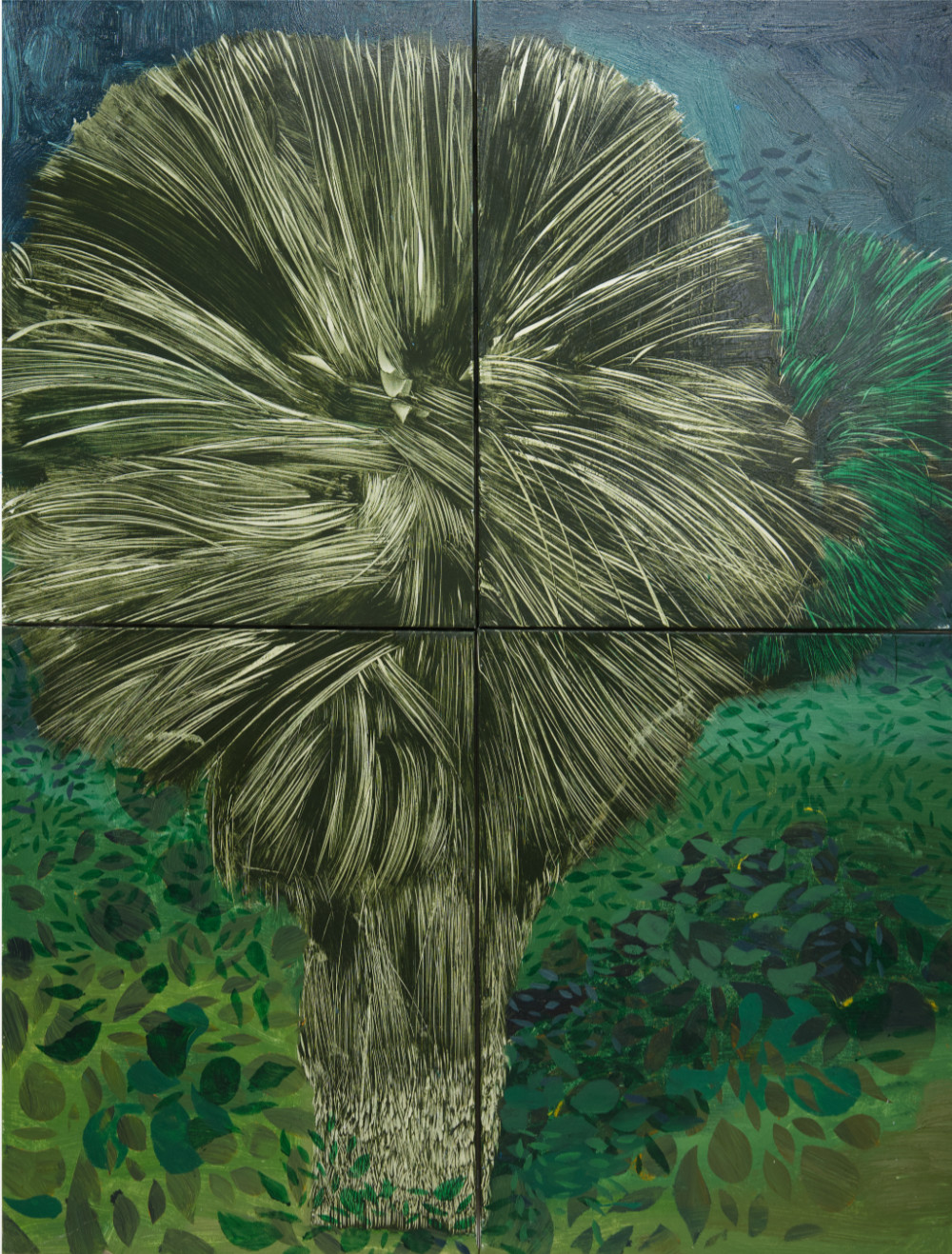
Gallery wrap is the version of unframed that galleries made standard. The canvas is stretched around thick stretcher bars, usually an inch and a half deep or more, with the image or a painted edge wrapping the sides and no staples visible from the front or sides. The painting gains a sculptural depth and a clean, finished profile from every angle.
If you are buying a canvas that will hang in a contemporary space, this is often the sweet spot: no frame to choose, no framing bill, and a presentation that already looks deliberate. When you shop, the depth of the stretcher bars is worth one question, because a shallow canvas hung bare can look thin and tentative on a big wall, while a deep one holds its ground.
Option Three: A Frame, and Which Kind
Sometimes a frame is simply right. A traditional interior, a painting with delicate edges, a work that needs a visual border to hold its own against a busy room: all good reasons. Two families cover most good choices.
- Floater frames. The canvas sits inside a shallow frame with a small gap around it, so the painting appears to float. The frame adds a crisp outline without covering any of the image. This is the most common choice for contemporary work, and the safest.
- Traditional frames. A wider, sometimes ornamented profile that overlaps the edge of the canvas. Right for classically styled rooms and for paintings made in a traditional spirit. Wrong when the frame’s personality starts shouting over the painting’s.
One rule decides most framing mistakes: the frame serves the painting, then the room, in that order. A frame chosen only to match the furniture will date with the furniture. A frame chosen for the painting survives redecorating.
Works on Paper Are a Different Story
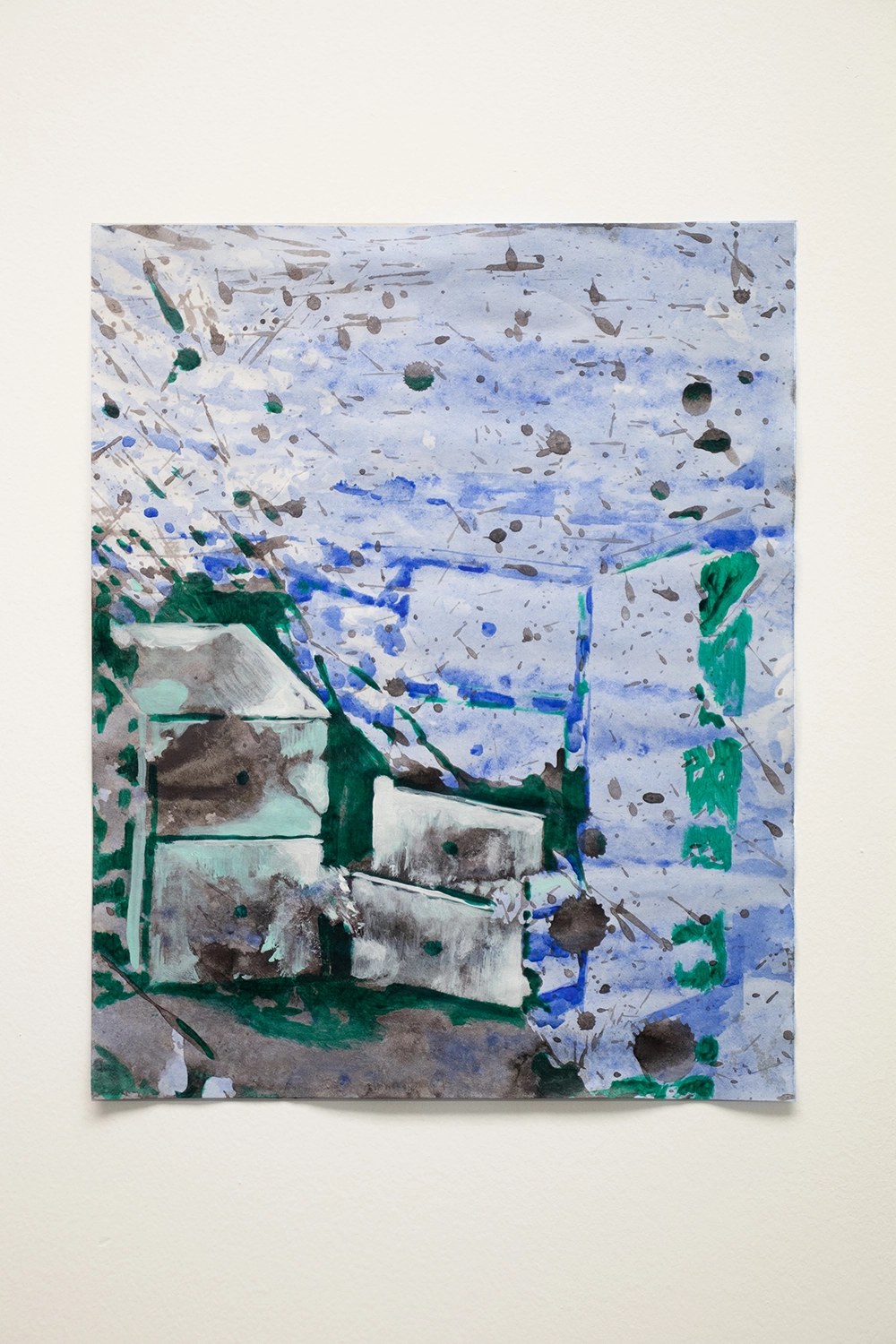
Everything above is about canvas. Works on paper, including watercolors, drawings, and ink paintings like my Owing to the Absence series, are not optional about framing. Paper needs a frame and glazing to protect it from moisture, dust, and light, and it needs a mat or spacer so the paper never touches the glass. An unframed work on paper is an unfinished purchase.
The good news is that framing paper does not need to be expensive to be right. A ready-made frame in a standard size, an acid-free mat, and UV-protective glazing cover the real needs. My guide to starting a collection on a budget has a full section on framing small works without spending a fortune, and my care guide explains what light and humidity do to paper over time. Between them they will keep a small work safe for decades.
What Framing Costs, Honestly
Custom framing surprises new buyers more than painting prices do. A professional frame for a large canvas can run into hundreds of dollars, and for a small painting the frame can cost more than the painting itself. That is not a scam. It is materials and skilled labor, cut to one exact size. But it belongs in your budget from the start, not as a shock at the framing counter.
This is one quiet advantage of buying a canvas that hangs well unframed: the price on the page is the whole price of getting it on your wall. When you compare two paintings, compare them the same way: painting plus frame, against painting plus frame. And before you pay for any painting, ask the two questions my large-painting checklist insists on: does it arrive framed or unframed, and is the listed size the canvas alone or the frame included? Sellers measure differently, and a two-inch misunderstanding is still a misunderstanding.
Choosing a Frame Color and Width
If you do frame, the frame’s width and color do more work than its style. A narrow frame in a dark tone sharpens a painting and suits most contemporary work. A wide frame adds ceremony and weight, and suits large paintings in tall rooms. The safest colors are the quiet ones: black, natural wood, white, and muted metallic tones. They support almost any palette. The risky choice is a frame color pulled from a minor color inside the painting and matched loudly. It feels clever in the shop and exhausting on the wall.
Scale the frame to the painting, not to the wall. A small painting in a very wide frame can look precious and deliberate, if the mat and proportions are handled well, but a large painting in a wide heavy frame can double its visual weight and overwhelm a normal room. When in doubt, take the painting, or at least its true measurements and photographs, to the framer, and look at frame samples against the actual work. Frames should be chosen in the painting’s company, never from memory.
Framing Mistakes That Cheapen a Painting
- Glass over an oil painting. It adds glare, reflection, and weight, and protects a surface that varnish already protects.
- A frame more decorative than the painting. The eye should land on the art first and the frame second, every time.
- Framing a work on paper without a mat or spacer, so the paper touches the glazing and moisture can spot it.
- Choosing the frame to match the sofa. Furniture changes. The painting and its frame are the long-term pair.
- Skipping the question at purchase. Whether a painting arrives framed, and whether its listed size includes a frame, should be settled before money moves, not at the door.
The Bottom Line
An oil painting on canvas does not need a frame. It needs a decision. Painted edges or gallery wrap for a clean contemporary hang. A floater frame when the work wants an outline. A traditional frame when the room and the painting both lean that way. And for works on paper, a frame with glazing every time, no exceptions. Decide before the painting arrives and the wall, the budget, and the painting will all agree. In my store, every product page shows the painting as it is sold, with its exact dimensions, at store.bartoszbeda.com. If you cannot tell from the photographs whether a piece’s edges are painted, write to me and ask. That is what I am here for.
