Art for a New Home: What to Buy First and What to Wait On
Empty walls, a drained budget, and a hundred decisions at once. Here is the order that gets real art into a new home without the expensive mistakes.
A new home presents the same scene in every city: bare walls in every room, a bank account still recovering from the move, and a quiet pressure to make the place feel finished by Friday. Art is usually the last purchase and the most panicked one, which is how good homes end up with whatever was on sale that weekend. It does not have to go that way. There is an order to buying art for a new home that protects the budget, skips the mistakes, and leaves you with walls you still love in five years. This article is that order.
I am Bartosz Beda, a painter working in Dallas, Texas. I trained at art school in Lodz and earned my BA in 2011 and my MA in Fine Art from Manchester in 2012. I sell my original paintings directly through my own store, and many of my buyers are standing in a new home when they write to me, tape measure in hand. Here is what I tell them.
First: Live There Before You Buy Big
The most valuable step costs nothing. Live in the home for a few weeks before buying anything large. A new home lies to you at first. The room you pictured as a quiet reading room becomes the homework room. The light that looked soft at the viewing turns harsh at three in the afternoon. The wall you measured for a statement piece ends up holding the door swing you forgot about.
Spend those weeks learning three things: where you actually sit, where the light actually lands, and which walls your eyes actually meet every day. Those answers reorder every art decision. The painting budget is finite, and it belongs on the walls your life uses, not on the walls the floor plan suggested.
Buy First: The Wall You Live In Front Of
The first purchase belongs in the room where the household sits most, usually the living room, on the wall that room faces. One piece, chosen slowly, that you cannot stop thinking about. It does not have to be the largest or the most expensive piece you will ever own. It has to be the one that makes the room feel claimed. A home starts feeling like yours the day the first real painting goes up, and everything after that is easier, because the standard has been set.
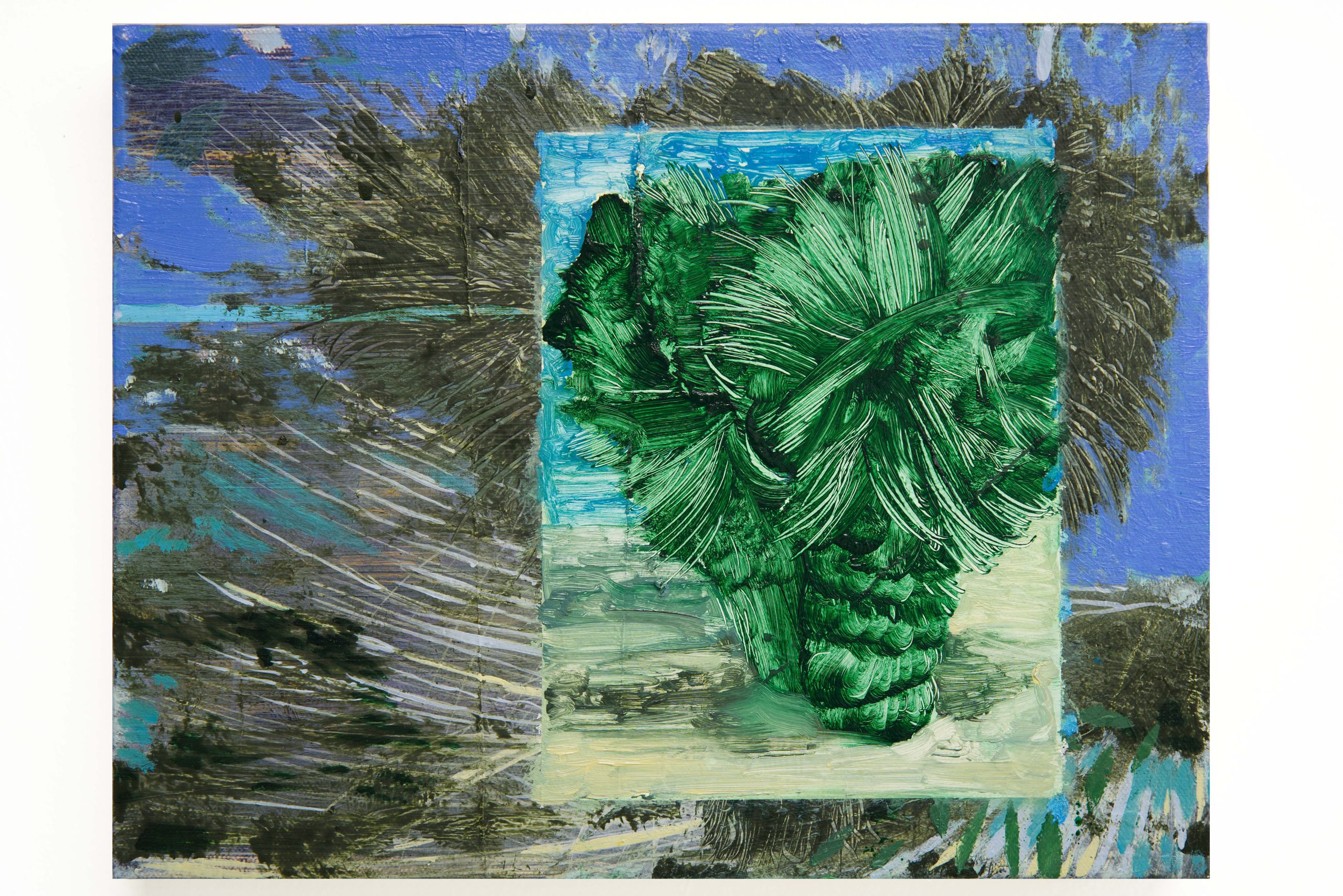
This is also where a smaller original quietly wins. A first piece on paper or a small canvas, bought well, teaches you how the home behaves with real art on its walls: the light on a surface, the size against real furniture. In my store, small original works on paper start at $100 and small paintings run $1,000 to $1,200, which means the first wall does not need the statement budget. It needs the right piece.
Buy Second: The Wall a Guest Meets First
The second wall is the one a visitor sees from the front door or the entry. It does not need a masterpiece. It needs intention: one piece hung at the right height, with room around it, instead of the cluster of small undecided things new homes collect at the entrance. A single original here tells everyone, including you coming home tired, that this place is on purpose.
This is also the wall where a housewarming gift can land well, if someone who loves you is choosing. My gift guide walks through choosing a painting for someone else’s home, and the short version is: small, original, and chosen for their rooms rather than the giver’s taste. If you are the one hinting, hint at a small original. It is the gift that survives every redecoration.
What to Wait On, and Why
- The statement piece for the biggest wall. Wait until the furniture is final and you have lived with the room’s light for a season. Big paintings punish guesses about both.
- Matching sets for hallways and stairs. Sets bought in a hurry are the first art a home outgrows. A line of pieces collected one at a time looks better and means more.
- Art for rooms whose job is undecided. The spare room will declare itself within a year. Buy for the room it becomes, not the room it might be.
- Bedroom art bought for the palette of bedding you already plan to replace. Buy the painting for the room’s light and mood. Bedding is the cheapest thing in the room to change.
- Anything bought to fill a wall before guests arrive. A bare wall for one season beats a wrong painting for ten years.
Waiting is not doing nothing. Waiting is when you measure, save, and look. Collectors who build good walls almost all describe the same rhythm: long looking, quick buying when the right piece appears. My guide to starting a collection on a real budget is built on that rhythm, one good piece at a time, and a new home is the best place to start it, because the walls and the habit grow up together.
Measure After the Furniture, Not Before
The most common new-home mistake is buying art against a floor plan. Furniture moves walls. A sofa is deeper than the catalog said, the rug shifts the room’s center, and the painting sized for the empty wall ends up squeezed or stranded. So the order is: furniture placed, lamps placed, then tape on the wall, then measurements, then the painting. My room-by-room size guide gives the proportions for each wall, and my hanging guide gives the heights, and both assume the furniture is already where it lives.
Do not forget the route in. A new home’s doors and stairs are strangers to you, and a large canvas has to pass them all. Measure the tight turn before the big piece is chosen, not when the crate is standing in the driveway. It is the least romantic sentence in this article and the one that saves the most money.
A Word for Renters and First Apartments
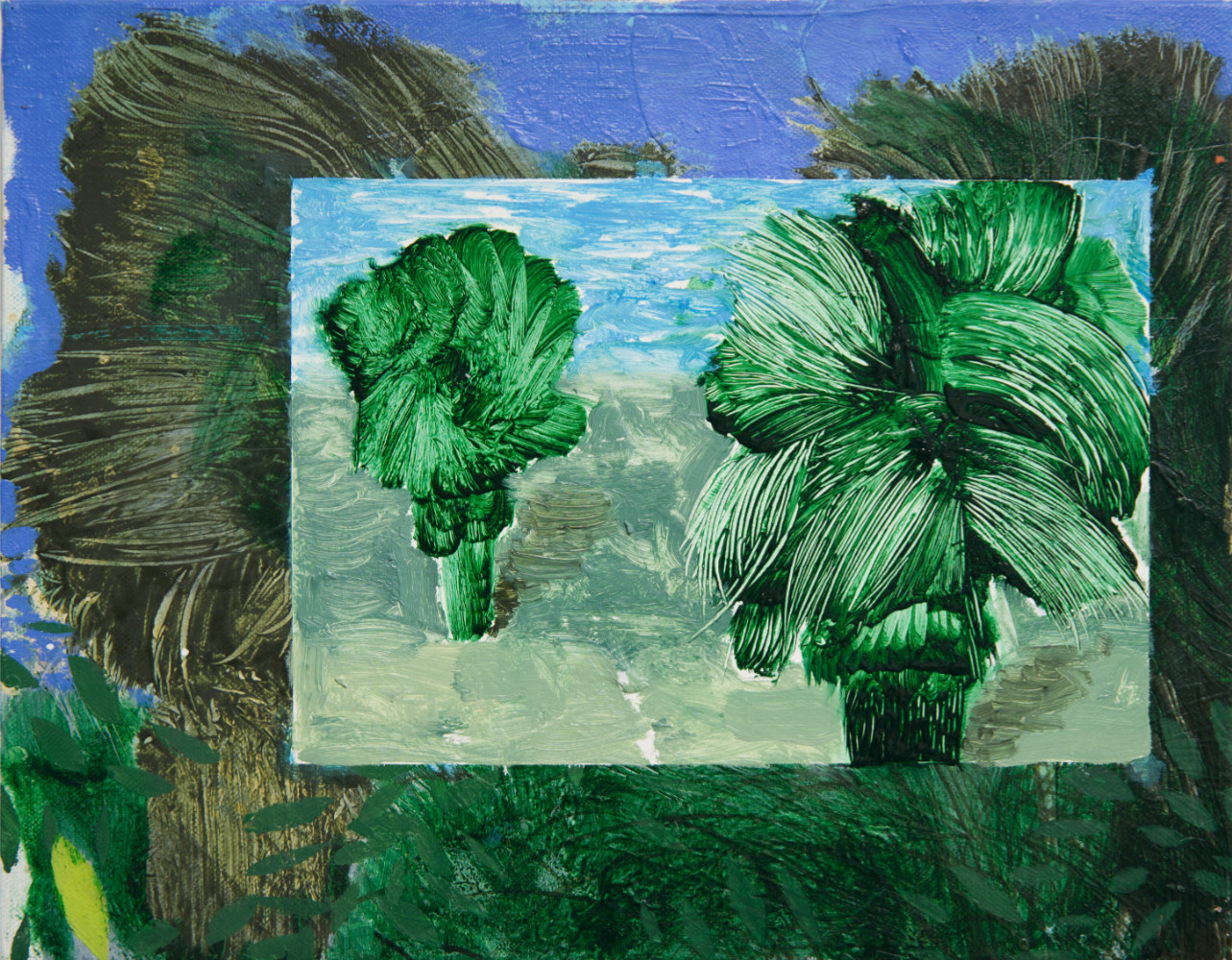
None of this requires owning the walls. The same order works in a rental, with two adjustments. Favor small and medium pieces that move easily and hang from one or two small holes, because your collection should be able to leave with you in an afternoon. And lean toward works on paper and small canvases at the start, the pieces that fit every future home too. A collection built in a first apartment, one original at a time, is how many serious walls I know actually began.
A Simple First-Year Plan
If a plan helps, here is the one I suggest to buyers who ask. In the first month, buy nothing large. Learn the house, and put up whatever art you already own, even in rough positions. It will teach you the walls for free. By the third month, buy the first piece, for the living wall, at whatever size the budget honestly allows. Live with it through a change of season if you can, because a painting that survives both summer and winter light in a room is a painting that belongs there.
In the second half of the year, add the entry wall and one quiet room, usually the bedroom, where a calmer piece does its work at the start and end of every day. Bedrooms reward restraint: soft color, a figure at rest, a landscape with weather in it. Save the statement conversation for the end of the year, when the furniture is final, the light is known in every season, and the savings have had time to become a real budget. Most homes do not need more than three or four considered pieces in the first year. They need the right three or four, in the right order, and the patience to let the rest of the walls wait their turn.
The Bottom Line
Live there first. Fill the wall you sit in front of, then the wall a guest meets. Wait on the statement piece, the matching sets, and the undecided rooms. Measure after the furniture, and let one good piece at a time set the standard. A new home does not need finished walls this month. It needs walls that are becoming yours on purpose. When you are ready to look, the originals in my store are listed with exact dimensions and open prices, at store.bartoszbeda.com, and if you send me a wall’s measurements I will tell you plainly what can carry it.